Unlocking Creativity: The Power of a Collection of Assorted Colorful Flat Line Icons in Modern Web Design
Understanding the Collection of Assorted Colorful Flat Line Icons
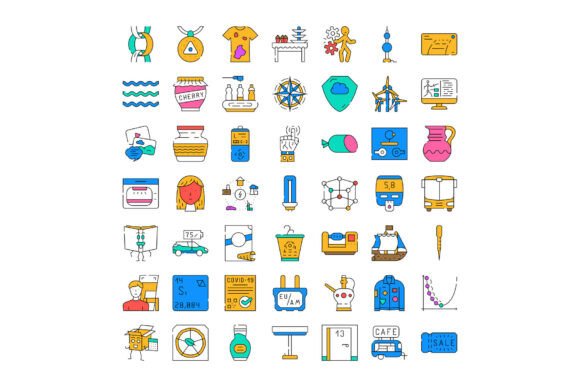
In the evolving landscape of web and user interface design, visual clarity and aesthetic appeal are more critical than ever. A Collection of Assorted Colorful Flat Line Icons represents a curated set of minimalist, two-dimensional icons that span a wide range of categories, concepts, objects, and activities. These icons are not only visually engaging but also highly functional, offering designers a versatile toolkit to enhance user experiences across digital platforms.
Flat line icons are characterized by their simplicity—clean lines, no gradients, and minimal detail. When combined into a diverse and colorful collection, they become a powerful asset for creating modern, intuitive interfaces that resonate with users across industries.
Why Flat Line Icons Are Gaining Momentum
The rise of flat design over the past decade has significantly influenced how icons are created and used. As part of a broader shift toward minimalism in web and app design, flat line icons have become a preferred choice for their ability to convey meaning quickly and clearly. This trend aligns with modern user expectations for fast, distraction-free interactions.
Moreover, the Collection of Assorted Colorful Flat Line Icons supports responsive design principles, making it ideal for multi-device experiences. Whether on mobile, tablet, or desktop, these icons scale beautifully without losing clarity or increasing load times.
Meeting the Needs of Today’s Designers and Businesses
Designers, entrepreneurs, and marketers are constantly seeking tools that streamline workflows while maintaining visual consistency. A well-organized icon set provides a unified visual language that can be applied across websites, apps, dashboards, presentations, and marketing materials.
Consider the following practical applications:
- UI/UX Design: Icons help guide users through interfaces, reducing cognitive load and improving navigation.
- Brand Identity: Customized icon sets can reflect a brand’s tone and personality while maintaining visual coherence.
- Content Enhancement: Bloggers and content creators use icons to highlight key points and improve readability.
- Marketing Materials: Infographics, social media posts, and landing pages benefit from icons that make information more digestible.
These icons are especially valuable in SaaS platforms, mobile apps, and e-commerce sites, where intuitive navigation and visual hierarchy are crucial for user retention and conversion.
How Trends in Technology and Design Are Shaping Icon Usage
As technology continues to evolve, so do design practices. The growing emphasis on accessibility, performance, and cross-platform compatibility has made flat line icons more relevant than ever. Here’s how current trends are influencing their adoption:
- Minimalism in Web Design: Clean, uncluttered interfaces are dominating modern design. Flat icons align perfectly with this aesthetic, offering a sleek and modern look.
- Performance Optimization: With the increasing importance of page speed and SEO, lightweight vector icons are preferred over heavier image formats.
- Customization and Scalability: SVG-based icons allow for easy color and size adjustments, making them adaptable to different themes and layouts.
- Accessibility Standards: Clear, recognizable icons improve usability for users with varying levels of digital literacy and visual acuity.
These trends underscore the importance of having a comprehensive, well-organized Collection of Assorted Colorful Flat Line Icons at a designer’s disposal. As businesses strive to deliver seamless digital experiences, such icon sets become a cornerstone of effective visual communication.
Real-World Examples of Icon Integration
Let’s take a closer look at how different industries are leveraging flat line icons to improve user engagement and streamline design workflows:
E-commerce Platforms
Online retailers use icons to represent categories like shipping, returns, payment options, and product features. A cohesive icon set ensures consistency across product pages and enhances the shopping experience.
Health and Wellness Apps
Wellness platforms often incorporate icons for activities like meditation, exercise, nutrition, and sleep tracking. These visuals help users navigate the app quickly and stay engaged with their health goals.
Educational Technology
EdTech platforms use icons to differentiate between course types, lesson formats, and progress indicators. This visual differentiation helps users better understand the structure of the learning experience.
Travel and Hospitality Websites
Icons for amenities, locations, and services help travelers quickly scan and compare options. Whether it’s a hotel booking site or a travel app, flat line icons provide clarity without overwhelming the user.
These examples illustrate how a thoughtfully curated Collection of Assorted Colorful Flat Line Icons can be applied across diverse sectors to meet specific functional and aesthetic needs.
The Role of Icon Sets in Streamlining Design Workflows
Designers and developers are under constant pressure to deliver high-quality interfaces quickly. A comprehensive icon collection helps reduce the time spent sourcing or creating individual icons from scratch. Instead, teams can focus on layout, functionality, and user experience.
Moreover, a unified icon set ensures visual harmony across different sections of a website or application. This consistency contributes to a more professional and polished end product.
For freelance designers and small creative teams, having access to a versatile icon library can be a game-changer. It eliminates the need to purchase or license multiple icon sets, reducing both time and cost overhead.
Future-Proofing Design with Flexible Icon Systems
As digital platforms become more dynamic and interactive, the need for adaptable design elements grows. Icon systems built around scalability, customization, and interoperability will continue to gain traction.
The Collection of Assorted Colorful Flat Line Icons is not just a design tool—it’s a strategic asset. It enables brands to maintain visual consistency across evolving platforms and touchpoints, ensuring that their digital presence remains cohesive and recognizable.
Looking ahead, we can expect to see more integration of icons with design systems and component libraries. Tools like Figma, Sketch, and Adobe XD now support reusable icon components, making it easier than ever to incorporate and manage icon sets within complex design workflows.
Conclusion: Embracing the Value of Visual Clarity
In today’s fast-paced digital world, the ability to communicate clearly and efficiently is more important than ever. A well-designed Collection of Assorted Colorful Flat Line Icons offers a powerful solution for enhancing user interfaces, improving navigation, and reinforcing brand identity.
Whether you're a designer building a new app, a marketer crafting engaging content, or a business owner looking to improve your website’s usability, investing in a high-quality icon set can make a significant difference. It not only elevates the visual appeal of your projects but also streamlines your workflow and strengthens your brand’s digital presence.
As trends continue to evolve and user expectations rise, the role of thoughtful, scalable design elements like flat line icons will only become more essential. By embracing these tools, professionals across industries can create more intuitive, engaging, and future-ready digital experiences.