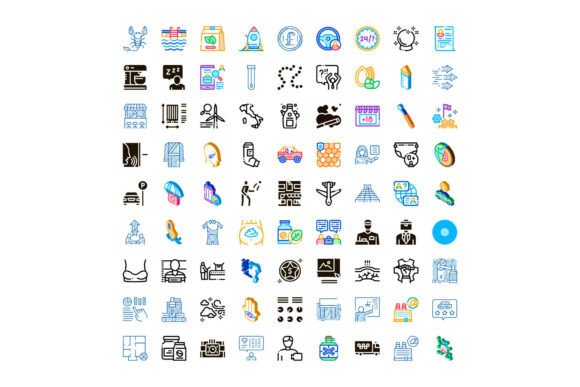
Strategic Value of the Diverse Concept Icons Collection Represe in Modern Design and Communication
In today’s fast-paced digital landscape, visual communication plays a critical role in conveying complex ideas efficiently. The Diverse Concept Icons Collection Represe offers a versatile toolkit of linear, colorful icons that span a broad spectrum of themes, ideas, and abstract concepts. Designed for clarity and adaptability, this collection is particularly valuable for infographics, web design, presentations, and user interface elements.
Why the Diverse Concept Icons Collection Represe Matters Strategically
Icons are more than decorative elements—they are visual shorthand that can guide users, clarify messaging, and enhance the overall user experience. The Diverse Concept Icons Collection Represe stands out due to its intentional design and thematic breadth. Whether you're illustrating a business process, explaining a scientific concept, or mapping out a customer journey, having access to a well-curated icon set can significantly reduce the time and effort needed to create effective visuals.
For entrepreneurs and marketers, these icons can support strategic storytelling by simplifying complex data and making it more digestible. Educators and content creators can use them to reinforce learning concepts visually. Designers and developers benefit from the collection’s scalability and compatibility with modern web standards, allowing for seamless integration into responsive layouts and interactive platforms.
How to Align the Collection with Your Goals and Planning
Using the Diverse Concept Icons Collection Represe effectively requires more than just selecting visually appealing icons. Strategic alignment begins with understanding your communication goals and audience needs. Ask yourself:
- What message or concept needs to be simplified?
- Who is the intended audience, and what visual language do they respond to?
- How will these icons be used across platforms (e.g., mobile, desktop, print)?
Once you've clarified these points, you can begin selecting icons that reinforce your messaging rather than distract from it. For instance, if you're designing a SaaS dashboard, choose icons that clearly represent functions like settings, notifications, or analytics. If you're creating educational materials, opt for icons that visually support learning themes like collaboration, innovation, or critical thinking.
Use Cases Across Industries and Professions
The Diverse Concept Icons Collection Represe is intentionally broad, making it applicable across a range of industries and use cases:
- Entrepreneurs and Startups: Use icons to visually map out business models, product features, or growth strategies in pitch decks and investor reports.
- Marketers and Content Creators: Enhance blog posts, social media graphics, and email newsletters with icons that highlight key takeaways or action items.
- Educators and Trainers: Incorporate icons into lesson plans, e-learning modules, and instructional infographics to aid retention and engagement.
- Web and UI Designers: Integrate icons into responsive websites and applications to improve navigation and user experience.
- Freelancers and Small Business Owners: Use icons to create branded templates, proposals, and reports that communicate professionalism and clarity.
When to Use It—and When Not To
While the Diverse Concept Icons Collection Represe offers immense flexibility, it’s not a one-size-fits-all solution. Consider using it when:
- You need to convey abstract or complex ideas quickly.
- Your design requires a consistent visual language across multiple platforms.
- You're aiming to reduce text-heavy content without losing meaning.
However, avoid using icons when:
- The meaning is unclear or could be misinterpreted.
- There’s no consistent visual style across your project.
- Icons are used purely for decoration without contributing to the message.
Planning for Long-Term Use and Scalability
One of the most overlooked aspects of icon integration is long-term scalability. As your business or project grows, your visual assets should evolve with it. When working with the Diverse Concept Icons Collection Represe, consider the following:
- Consistency: Maintain a unified visual style across all platforms to reinforce brand identity.
- Accessibility: Ensure icons are readable and understandable for users with varying abilities.
- Future-Proofing: Choose icons that won’t become outdated as trends shift or your messaging evolves.
For example, a SaaS company launching a new feature might use icons from the collection to represent core functions. As the product line expands, maintaining a consistent visual language will help users navigate new features with minimal friction.
Common Pitfalls and How to Avoid Them
Many professionals fall into the trap of using icons without a clear strategic purpose. This can lead to:
- Visual Noise: Too many icons can overwhelm users and dilute the message.
- Inconsistent Messaging: Using icons that don’t align with your brand tone or audience expectations can confuse users.
- Overcomplication: Choosing overly complex or abstract icons can make your content harder to understand.
To avoid these issues, always test your icon choices with a small audience or team before launching. Ask whether the icons clearly support the message and whether they enhance the overall experience.
Maximizing Value Through Intentional Use
The Diverse Concept Icons Collection Represe is most effective when used intentionally. This means selecting icons based on their relevance, clarity, and alignment with your goals—not just because they look good. Here are a few strategies to help you make the most of the collection:
- Create a Visual Style Guide: Define how and when to use icons within your brand or project.
- Map Icons to Content Themes: Assign specific icons to recurring topics or categories for consistency.
- Pair with Typography and Color: Icons should complement your overall design system, not compete with it.
For instance, a digital marketing agency might use a consistent set of icons across all client reports to represent SEO, content marketing, and analytics. This not only improves readability but also reinforces brand recognition.
Final Thoughts: Building a Strategic Visual Vocabulary
Incorporating the Diverse Concept Icons Collection Represe into your work isn’t just about aesthetics—it’s about building a visual vocabulary that supports your communication goals. Whether you’re designing a website, creating a presentation, or developing educational materials, thoughtful use of icons can elevate your message and improve user engagement.
By aligning icon choices with your strategic objectives, planning for scalability, and avoiding common pitfalls, you can ensure that your visuals enhance rather than complicate your content. In a world where attention spans are short and clarity is key, the right icon can make all the difference.