Outline Vector Icons Representing Everyd: Enhancing Visual Communication Across Projects
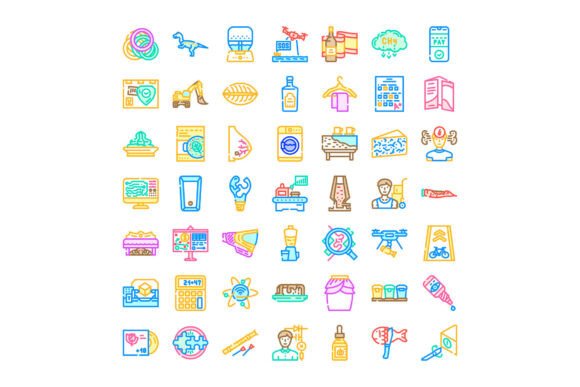
Visual communication plays a crucial role in conveying ideas clearly and efficiently, especially in professional and creative workflows. Outline Vector Icons Representing Everyd offers a comprehensive set of icons spanning food, technology, animals, people, tools, nature, and everyday objects. These icons serve as a versatile visual language that can be integrated into websites, applications, presentations, and printed materials to improve clarity and engagement.
Understanding the Scope and Purpose
At its core, Outline Vector Icons Representing Everyd is a collection designed to support a wide range of visual needs. Each icon is crafted in a clean, outline style that ensures scalability without loss of quality, making them ideal for both digital and print use. These icons are not just decorative elements—they act as visual cues that guide users, simplify complex ideas, and enhance user experience across platforms.
Whether you're designing a mobile app interface, creating marketing materials, or building an educational website, having access to a well-organized library of icons can significantly streamline your design process. This set is particularly useful for professionals who need to maintain visual consistency while covering a broad range of topics.
Integration Into Workflows
One of the most valuable aspects of Outline Vector Icons Representing Everyd is its adaptability across different stages of a project. During the planning phase, these icons can be used in wireframes or mockups to represent functionality and content structure. This helps stakeholders visualize the end product before development begins.
In the execution phase, designers can import the icons directly into design tools like Adobe Illustrator, Figma, or Sketch. Their vector format ensures that they remain sharp at any size, which is essential for responsive web and app design. Developers can easily integrate them using SVG (Scalable Vector Graphics) files, ensuring compatibility across browsers and devices.
After launch, these icons can support ongoing content updates, marketing campaigns, or user education materials. For example, a SaaS company might use icons from the technology and people categories to illustrate features and user roles in onboarding guides.
Compatibility and Technical Considerations
When integrating Outline Vector Icons Representing Everyd into a project, it's important to consider compatibility with existing tools and frameworks. Most modern design and development environments support SVG files, but it's always a good idea to test icons across platforms and screen sizes to ensure consistent rendering.
- Use SVG for crisp, scalable visuals on the web.
- Convert to PNG or JPEG for print or platforms that don’t support vector formats.
- Ensure color consistency by using a predefined palette that aligns with your brand guidelines.
- Optimize file size for faster web performance using tools like SVGO or online SVG optimizers.
For teams working collaboratively, maintaining a shared icon library within design tools helps ensure consistency across projects. It also reduces redundant work and streamlines updates when design changes occur.
Organizing and Managing Icons
As with any design asset, organization is key to long-term usability. When working with Outline Vector Icons Representing Everyd, consider implementing a system that categorizes icons by subject, usage context, or project type. Many design teams use naming conventions or tagging systems within their asset management platforms to make icons easy to find and apply.
For larger organizations or ongoing projects, creating a centralized icon library with version control can help maintain consistency. This approach also allows for the addition of custom icons when needed, ensuring that the library grows alongside the project or brand.
Use Cases Across Industries
The versatility of Outline Vector Icons Representing Everyd makes it applicable across a wide range of industries and use cases. Here are a few practical examples:
- Educational Platforms: Use icons from the people, nature, and tools categories to illustrate lessons, categorize subjects, or guide users through interactive modules.
- E-commerce Websites: Enhance product pages and navigation menus with icons representing food, shopping, and delivery options to improve user experience and reduce cognitive load.
- Mobile Applications: Icons from the technology and tools categories can serve as intuitive navigation elements, helping users quickly understand app features and actions.
- Marketing Materials: Incorporate icons into infographics, social media posts, and email newsletters to highlight key points and improve visual appeal.
- Internal Tools and Dashboards: Use icons to represent data visualizations, user roles, and system statuses, making dashboards more scannable and user-friendly.
Practical Implementation Tips
Successfully implementing Outline Vector Icons Representing Everyd requires more than just selecting the right icons—it involves thoughtful planning and integration into your overall design system. Here are a few tips to help streamline the process:
- Start with a Style Guide: Define how icons will be used in your project, including size, color variations, spacing, and alignment rules.
- Test for Accessibility: Ensure icons are accompanied by text labels or alt descriptions where necessary, especially in digital products used by diverse audiences.
- Use Icons Consistently: Maintain visual harmony by applying the same stroke weight, fill style, and visual hierarchy across all icons used in a project.
- Optimize for Performance: In web projects, optimize SVG files to reduce page load times and ensure smooth rendering on all devices.
- Gather Feedback: Share icon usage examples with team members or stakeholders to ensure they align with brand identity and user expectations.
Long-Term Value and Scalability
One of the key advantages of using Outline Vector Icons Representing Everyd is its long-term value. As projects evolve and expand, having a scalable icon system in place ensures that visual communication remains consistent and efficient. Whether you're launching a new feature, redesigning a website, or creating a mobile app update, these icons can grow with your needs.
Additionally, because they are built in vector format, they remain future-proof. As screen resolutions improve and new devices emerge, the icons will continue to look sharp without requiring redesigns. This makes them a smart investment for any professional or organization focused on long-term digital strategy.
Conclusion: A Practical Asset for Modern Design
In today’s fast-paced digital landscape, having a reliable and comprehensive set of visual assets is essential for maintaining efficiency and clarity. Outline Vector Icons Representing Everyd provides a flexible, high-quality solution that supports a wide range of creative and technical workflows. By integrating these icons thoughtfully into your projects, you can enhance communication, streamline design processes, and deliver more intuitive user experiences.
Whether you're a designer, developer, marketer, or educator, this icon set offers practical tools to support your work. With the right approach to organization, implementation, and maintenance, it can become a foundational element of your visual strategy for years to come.